Refill, Reuse, Reimagine: Your Home Refill Station

Today we’ll explore how to set up a home refill station for everyday products, transforming cluttered cupboards into a calm, efficient hub. You’ll learn layout strategies, container choices, sourcing tips, hygiene routines, and cost-saving methods that make sustainable living practical, beautiful, and repeatable. Expect real-life anecdotes, gentle productivity nudges, and friendly prompts inviting you to share progress, ask questions, and inspire others to refill instead of rebuying.
Start with a Smart Layout
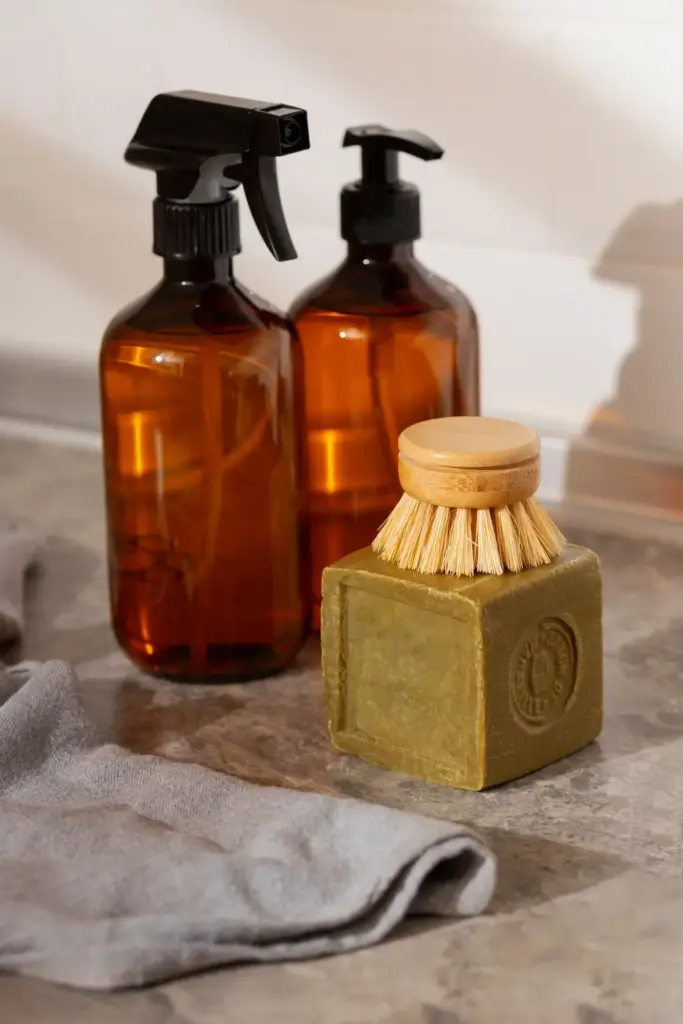
A successful home refill station begins with a layout that feels intuitive on busy days and inviting when you have time to linger. Think in zones, minimize steps, and position frequently used products at eye level. Borrow ideas from cafés and workshops: clear surfaces, logical flow, and dedicated tools to reduce friction. Celebrate small wins, like reaching shampoo without hunting, to keep motivation high and refilling habits consistent and joyful over time.
Containers and Dispensers that Work Hard
Great containers prevent mess, protect product quality, and make daily refills feel satisfying. Choose materials that match contents, dispensing mechanisms that don’t leak, and sizes that actually fit your shelves. Clear containers help you see levels at a glance, while tinted glass protects sensitive oils. Pumps and spigots should be smooth and reliable. When function comes first and aesthetics follow, you’ll use the station more, spill less, and enjoy every refill session much more.


Hygiene, Safety, and Shelf Life
Clean tools, proper storage, and clear dating practices protect product quality and your family’s health. Adopt a simple cleaning routine for funnels, pumps, and jars. Track batch numbers and refill dates where relevant. Separate food items from cleaners and keep original containers for reference. Good habits reduce cross-contamination and extend shelf life. An orderly, well-labeled station creates confidence, turning refilling from a guessy chore into a dependable ritual grounded in safety, clarity, and long-term care.

Costs, Savings, and Simple Math
Setting up a home refill station can lower unit costs and reduce impulse purchases. Track price per ounce or gram, compare concentrated formulas, and watch for promotions. Calculate a basic payback period for containers and dispensers. Savings often grow as routines stabilize and waste declines. Share your figures with the household to build buy-in. When everyone sees tangible benefits, participation rises, and your station becomes a shared project anchored by clarity, smart planning, and sustainable, steady progress.




Daily Routines and Habit Design
Habits keep refilling alive long after the excitement of setup fades. Tie refills to existing routines, like cleaning the sink or folding laundry. Use visual cues, like near-empty markers, and gentle reminders on your calendar. Invite shared ownership so refilling doesn’t fall to one person. When rituals are small, satisfying, and clearly useful, everyone joins. Your station becomes part of the home’s rhythm, cutting stress while creating moments of quiet care that accumulate into lasting, meaningful change.
Refill Days and Micro-Rituals
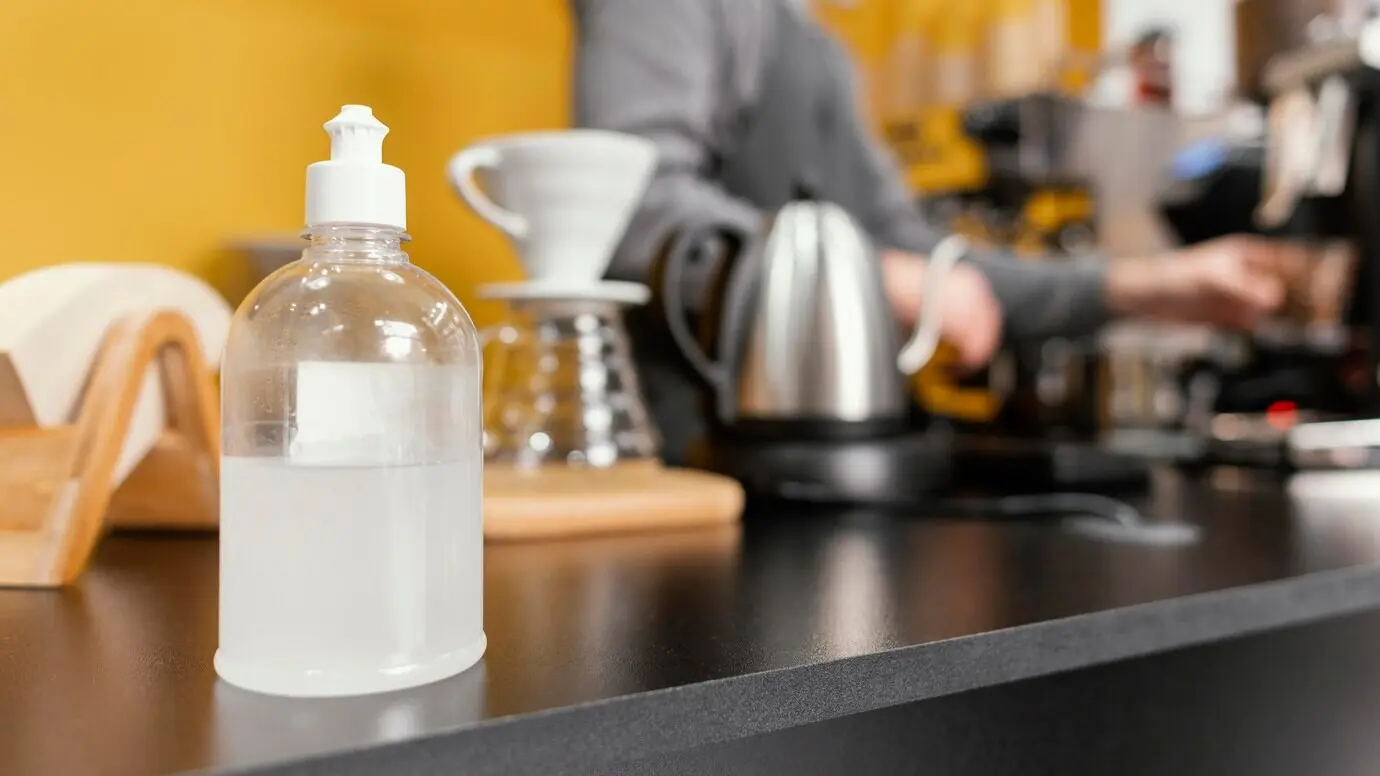
Pick a weekly block—fifteen minutes on Sunday evening—to wipe counters, check levels, and top up essentials. Pair it with music or a favorite drink to make it pleasant. Create tiny triggers: a sticky note on the laundry bottle or a magnet marker on the dish soap. These cues reduce decision fatigue. Micro-rituals, repeated kindly, become identity: a household that maintains, not just consumes, moving intentionally toward calmer mornings and far fewer last-minute store trips.
Family Involvement and Training
Teach a simple, repeatable process: check label, set towel, refill slowly, wipe spout, mark date. Older kids can manage pantry zones while younger ones place color-coded dots. Explain why refilling matters—less waste, fewer errands, better control of ingredients. When everyone understands benefits and shares responsibility, resilience grows. Vacations, busy workweeks, or minor illnesses create fewer disruptions. The station becomes community property, not a personal project, which protects momentum and spreads the satisfaction of competent, shared care.
Tackle Friction Points Early
Notice sticking points: a sticky pump, a hard-to-open jar, labels smearing in steam. Fix them immediately. Replace faulty parts, move items within easier reach, or switch pens. Keep backups for essentials so you never stall. Treat obstacles as design feedback rather than failures. Small improvements accumulate into effortless flow. The goal is not perfection; it is reliability. Every solved annoyance removes one reason to postpone refilling, making the station feel friendly, dependable, and pleasantly efficient every day.
Style, Joy, and Sharing the Journey
A beautiful station invites use and sparks conversations that spread good ideas. Mix textures—glass, steel, warm wood—to create a welcoming look. Add a plant or framed note to soften the space. Share photos, swaps, and lessons learned with friends or neighbors. Celebrate experiments and small wins. Your setup becomes a story of everyday care, crafted in refills and labels and quiet routines, inspiring others to try, adapt, and build steady, sustainable habits at their own pace.