Refill Nearby: Discover Shops and Pack Smart
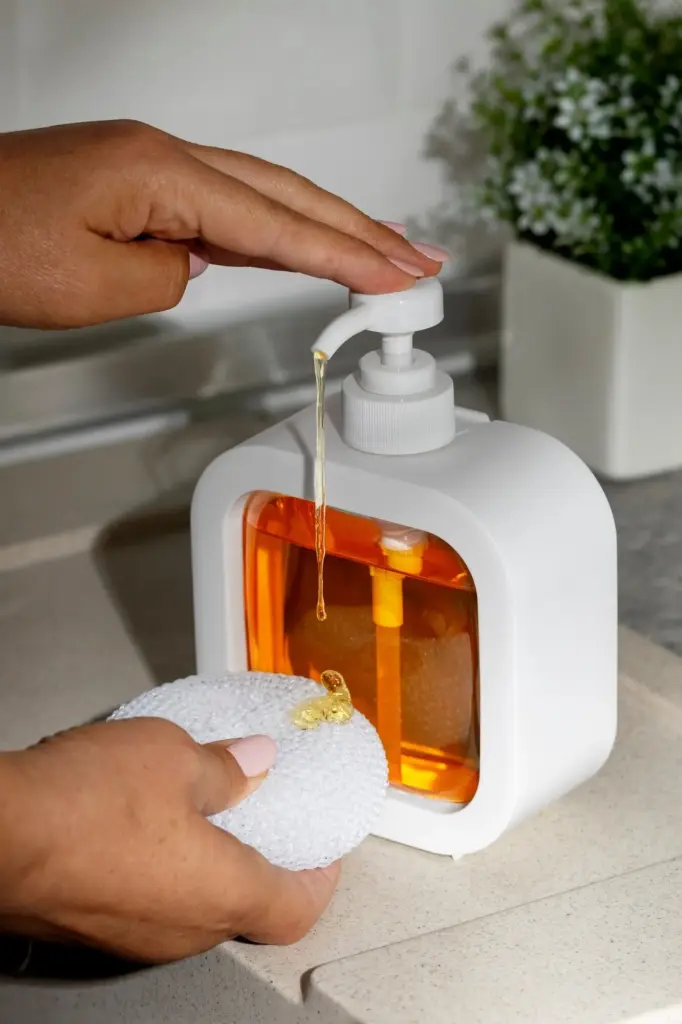
Today we dive into finding local bulk refill stores and what to bring, so your next trip is simple, affordable, and joyful. You will learn search strategies, packing essentials, and helpful etiquette that make refilling smooth. Expect practical tips, small stories from real visits, and encouragement to share your discoveries so neighbors can find better options, reduce waste together, and build a supportive, reuse-friendly community in your area.

Clues That Reveal a Great Refill Destination

Quality refill locations often give themselves away through subtle hints: gravity bins with clear labels, soap taps, visible scales, friendly signage inviting you to bring containers, and staff who know tare procedures without hesitation. Online, reviews mention cleanliness, spill support, and weighing policies. Pair mapping apps with local knowledge for reliable results, then call ahead to confirm product ranges and rules. Share your finds in community groups, because your tip might unlock a weekly ritual for dozens of neighbors trying to reduce packaging.

Your Container Kit: Safe, Clean, and Versatile
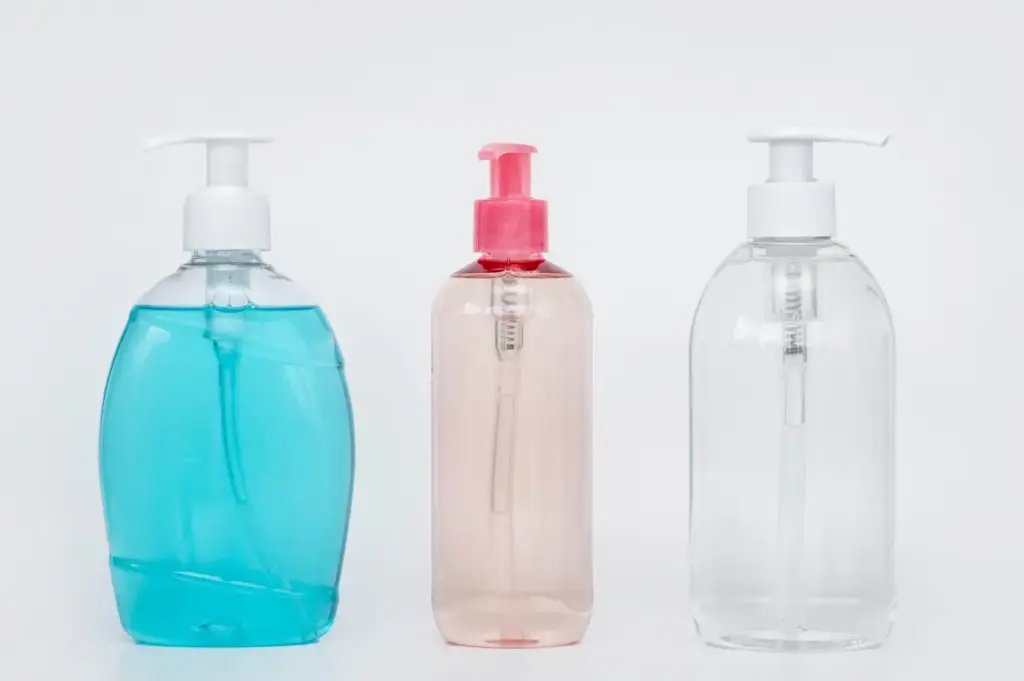
Pack a light, adaptable kit that covers liquids, powders, and delicate items without leaks or contamination. Glass jars with tight lids manage grains and beans well, stainless bottles and growlers handle oils or detergents, and silicone sleeves tame clinks and drops. Cloth bags work for dry goods, but line them for fine flours. Add a marker, waterproof labels, and a small towel. Clean, dry containers and clear labels make checkout faster. A tidy, thoughtful kit earns smiles and helps you feel confident from the first scoop.

Etiquette and Hygiene That Earn Smiles
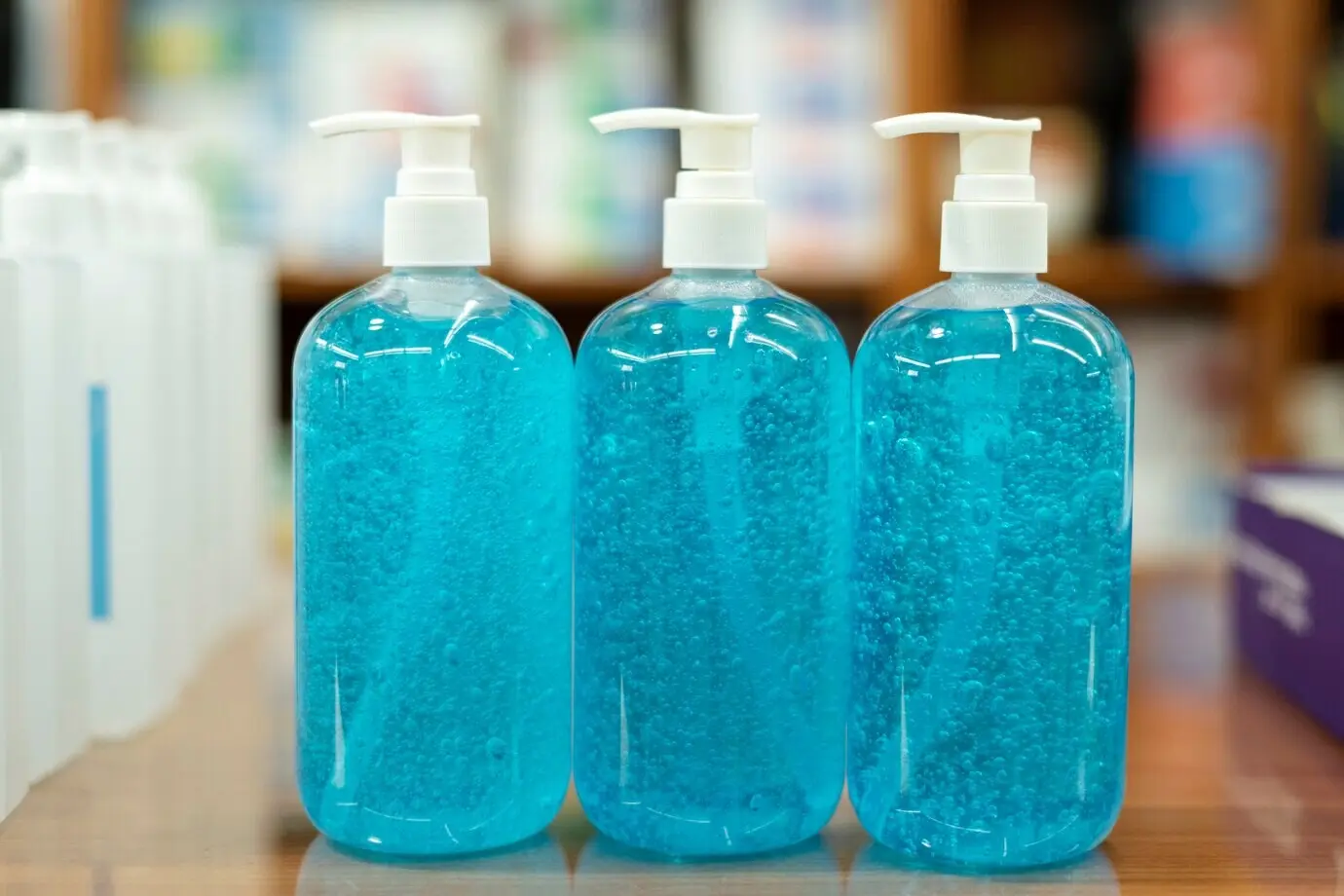
Respect a store’s systems so everyone’s experience stays safe and smooth. Arrive with spotless, dry containers; wet surfaces introduce risk and frustration. Ask staff before opening bins or using your own scoop, because procedures differ. Keep aisles clear, cap containers before moving, and immediately report spills or cross-contamination concerns. Patience helps during busy hours. Gratitude, kindness, and small courtesies make repeat visits better for you and the team. Consistent etiquette builds trust, and trusted customers often get the best guidance on stock cycles and specials.

Price Sense and Planning That Save Money

Unit Pricing with Confidence

Photograph shelf labels and record the price per ounce or kilogram to compare fairly with supermarket options. Weigh containers before filling to avoid paying for glass. If a product is premium, ask about bulk discounts or loyalty programs. Check whether grinding coffee incurs extra cost, and whether oils vary by region or harvest. Review totals at home to refine future lists. Over time, your personal price book reveals patterns, pointing to best-value staples while flagging items that are better sourced elsewhere without regret.

When Convenience Defeats Savings

Sometimes proximity, fuel costs, or container weight tilt the equation. If the cheapest refill shop requires a long drive, batch trips with other errands or carpool with friends. Consider lighter containers or refill concentrates to reduce hauling. If time is tight, focus on high-impact items—detergents, dish soap, spices—where packaging reductions and freshness truly shine. Accept that not every category will pencil out every week. Flexibility keeps the habit sustainable, and steady improvements beat perfectionist sprints that burn out and abandon reuse altogether.

Portions, Rotation, and Freshness

Buy amounts you will actually use before flavors fade or formulas separate. Spices are potent when small and fresh; oils prefer cool, dark storage; flours deserve airtight containers and rotation dates. Note purchase dates and aim for first-in, first-out habits. If a product languishes, scale down next time. Share surplus with neighbors rather than letting it stale. Appropriate portions protect your budget and prevent waste, transforming refilling from a feel-good idea into a consistently delicious, efficient practice that benefits your kitchen and community.

Packing Lists for Different Missions

Tailor what you bring to the categories you plan to refill. Pantry days benefit from wide-mouth jars, scoop-friendly containers, and sturdy totes; cleaning runs need bottles, funnels, and gloves; personal care trips favor leakproof small bottles and gentle labeling. Add a marker, tape, towels, and spare lids to every kit. Keep a small, always-ready set by your door for spontaneous visits. Share your favorite configurations with us, and subscribe for printable checklists and community gear swaps that make refilling easier for everyone.

Pantry Refill Day

Bring wide-mouth jars for pasta and beans, narrow jars for grains, airtight tins for tea and spices, and a collapsible scoop. Include a small funnel, labels, and a calculator for unit price comparisons. A rigid crate prevents tipping in transit. If you bake, pack extra containers for flours and sugars to avoid mixing aromas. Keep a short list with backups so you can pivot when stock varies. Celebrate small wins like fresher spices and fewer crinkly bags filling your trash after dinner.

Cleaning and Laundry Run

Carry sturdy bottles with secure seals for detergent, dish soap, and all-purpose cleaner, plus a separate container for concentrate if available. Gloves keep hands comfortable during refills, and a microfiber cloth wipes drips. Consider a measuring cap or syringe for accurate dilutions at home. Label clearly with brand, scent, and dilution ratios to prevent mix-ups. A leakproof tray or shallow bin inside your tote protects everything else. Refilling cleaning staples often delivers dramatic packaging reductions and a pleasantly uncluttered cupboard almost immediately.

Personal Care and Beauty Stop

Choose small, leakproof bottles for shampoo, conditioner, and body wash, and opaque containers for light-sensitive oils or serums. Pack a mini funnel and alcohol wipes for clean transfers. Label ingredients and patch-test new formulas. If scent-sensitive, bring unscented containers to avoid cross-aromas. Keep items separate from food containers for hygiene. Record favorites in your phone so you can repurchase confidently. Personal care refills feel luxurious when curated thoughtfully, turning your bathroom into a calm, intentional space rather than a graveyard of mismatched plastic bottles.

Impact, Community, and Momentum

Refilling reduces packaging, but the ripple effects are fuller pantries, friendlier shop relationships, and stronger neighborhoods. Track how many containers you avoid each month to visualize progress. Support businesses that provide clear labeling and fair wages. Share feedback kindly so systems improve. Host a refill outing with friends and newcomers. Ask questions, swap surplus, offer rides, and celebrate imperfect efforts. Small, consistent actions create cultural change, especially when the process feels welcoming, practical, and even fun on ordinary weeknights after work.

Track Your Footprint

Start a simple tally of jars and bottles reused, and estimate packaging avoided alongside money saved. Take photos of your kit over time to stay inspired. When motivation dips, seeing steady reduction provides a gentle nudge. Share milestones with our community so others can cheer and learn. Tracking helps identify which categories deserve more focus and where convenience wins honestly. This isn’t about perfection; it’s about visibility and momentum, turning small choices into measurable, meaningful environmental benefits that endure beyond novelty.

Support Reuse-Forward Businesses

Prioritize shops that maintain clean bins, train staff on tare, and welcome questions. Leave thoughtful reviews highlighting safety, clarity, and kindness. Ask about deposit-return systems, bulk partnerships with local producers, and container take-back programs. Your dollars fuel better infrastructure and encourage other businesses to follow. If you spot gaps, propose solutions respectfully. A steady chorus of supportive customers gives owners confidence to expand offerings, improve accessibility, and host community education nights. In short, your patronage and voice are practical tools that shape what grows.

Invite Others and Grow the Habit

Extend a friendly invitation to a neighbor or coworker who seems curious but intimidated. Offer a spare jar, share your checklist, and walk through tare together. Post maps of your favorite routes, and collect ideas in a shared document. Consider a rotating carpool to cut emissions and make errands social. Celebrate victories like first successful detergent refill. When people feel guided rather than judged, habits stick. Leave a comment with your best beginner tip, and subscribe for local meetups and resource updates tailored to your city.

If You Can’t Find a Refill Shop Yet

Not every town has gravity bins or soap taps, but creative paths still exist. Ask small grocers to trial refill shelves, partner with a farmers’ market for a monthly pop-up, or join a cooperative buying club. Many household products now ship in concentrates for sturdy, reusable bottles. Split bulk cases with neighbors to reduce waste and cost. Document your outreach, then share wins and setbacks. Collective demand builds supply faster than you think, especially when businesses see reliable, supportive customers ready to participate.
Panaparivutepurufezo
Privacy Overview

This website uses cookies so that we can provide you with the best user experience possible. Cookie information is stored in your browser and performs functions such as recognising you when you return to our website and helping our team to understand which sections of the website you find most interesting and useful.